

Why Good Staff Still Make Expensive Mistakes
One of the most frustrating experiences for a business owner is watching a capable team member make a mistake that could have been avoided.
A missed fee.
An incorrect form.
Missing information.
A task that has to be done twice.
The immediate reaction is often to focus on the person.
What happened?
Were they paying attention?
Do they need more training?
Can they handle the role?
Sometimes the issue is capability.
More often, the issue is process.
This is something I see regularly with Canberra business owners.
Good people make mistakes.
The businesses that minimise those mistakes are not necessarily the ones with the most talented staff.
They are the ones with the strongest systems.
At Canberra Business Accelerators, we often find that expensive mistakes are usually process problems before they are people problems.
That distinction matters because it changes where the solution should be focused.
Why Smart People Still Miss Important Things
Most business owners have experienced this at some point.
A highly capable employee forgets a step.
Misses a deadline.
Overlooks a detail.
Makes an error they would normally catch.
It is easy to assume the person simply was not paying attention.
The reality is often more complicated.
People operate inside systems.
If the system relies heavily on memory, interruptions or assumptions, mistakes become much more likely.
A Harvard Business Review article on why organisations need better systems, not better memory highlights that mistakes often occur when businesses rely on individuals remembering critical information rather than building reliable systems and processes.
The Hidden Cost Of Small Errors
Many mistakes seem minor in isolation.
A missed requisition fee.
An incorrect lodgement.
Incomplete paperwork.
A forgotten follow up.
The issue is not usually the single mistake.
It is the accumulation of mistakes over time.
Small errors create:
• Rework
• Client frustration
• Delays
• Additional administration
• Lost revenue
• Team stress
When these costs are added together, they can have a significant impact on profitability and productivity.
The business remains busy.
The results do not always reflect the effort being invested.
This challenge is closely connected to what we explored in our article, When Good Staff Underperform: What Canberra Business Owners Need to Address Early.

Why Training Alone Does Not Solve The Problem
When mistakes occur, many businesses respond with more training.
Training is important.
It is not always enough.
The challenge is that people forget information.
They get interrupted.
They become busy.
They make assumptions.
Strong systems reduce the need to rely on memory.
Checklists.
Workflows.
Templates.
Documented processes.
Quality checks.
These tools create consistency even when people are under pressure.
That is why industries with significant risk often rely heavily on process rather than individual memory.
The Difference Between Accountability And Blame
One of the biggest mistakes businesses make is treating every error as a performance issue.
Accountability matters.
People still need to take responsibility for their work.
The question is whether the system supports success.
A useful leadership question is:
"Would another capable person have made the same mistake in this situation?"
If the answer is yes, the problem is probably larger than the individual.
This is where process review becomes more valuable than criticism.
Gallup's research on clear expectations and employee performance found that people perform best when they understand what success looks like.
The Best Teams Build Safety Nets
Strong businesses understand that mistakes will happen.
The goal is not perfection.
The goal is reducing the likelihood and impact of errors.
That is where safety nets become valuable.
Examples include:
• File review processes
• Checklists
• Workflow automation
• Standard operating procedures
• Peer reviews
• Clear escalation points
These systems do not replace accountability.
They support it.
The best teams combine capable people with reliable processes.
What Business Owners Should Look For First
The next time a mistake occurs, resist the urge to focus solely on the individual.
Instead, ask:
• Was the process documented?
• Was there a checklist?
• Was the expectation clear?
• Was the information accessible?
• Was there a quality control step?
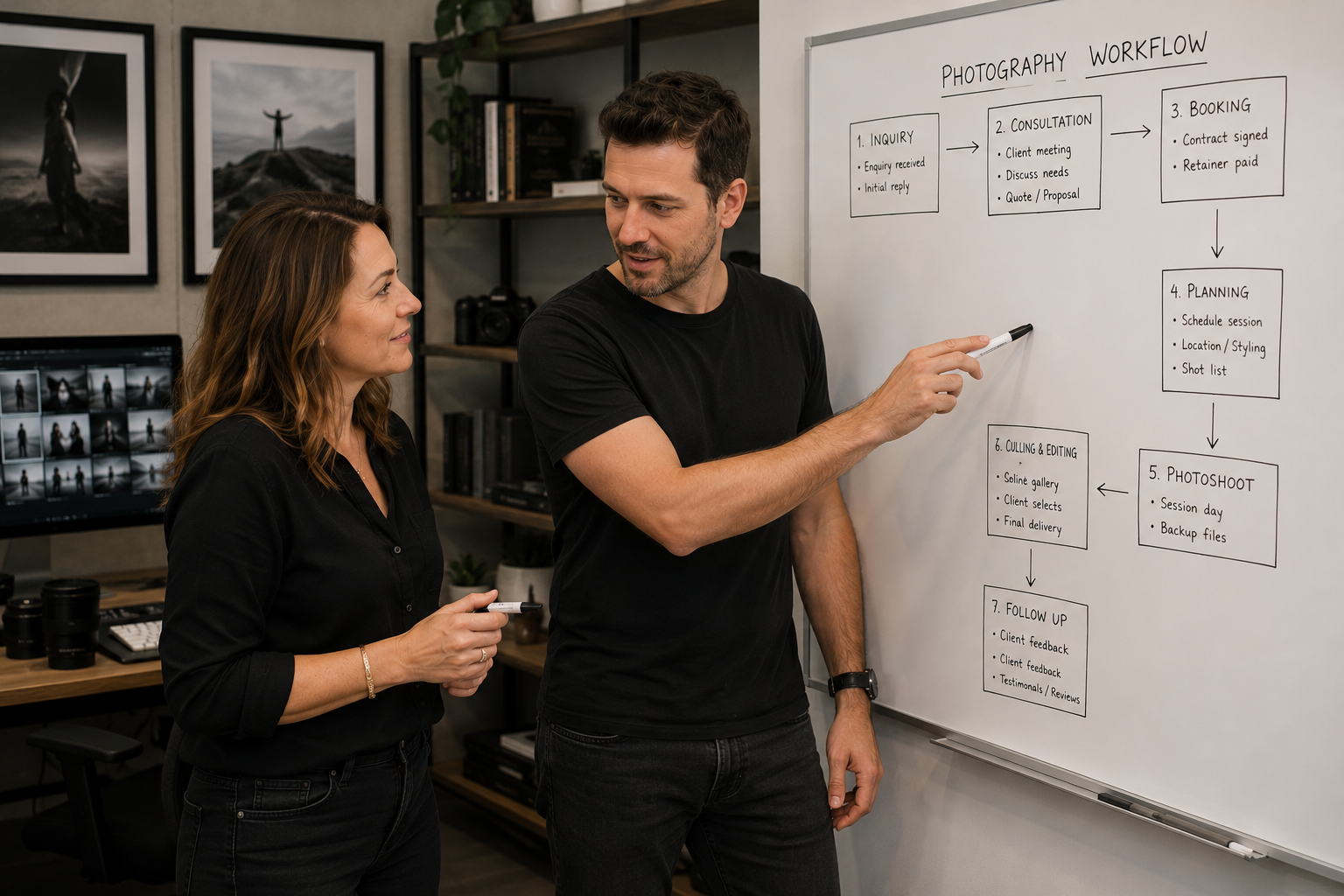
Strong Processes Help Good People Perform At Their Best
Most business owners want a team they can trust.
That trust is not built solely through hiring great people.
It is built by creating an environment where good people can consistently do good work.
At Canberra Business Accelerators, we often find that businesses improve performance dramatically when they stop asking people to remember everything and start building systems that support success.
Because in most cases, expensive mistakes are not a sign that you have the wrong people.
They are a sign that the business has outgrown the processes supporting those people.
Ready To Improve Team Performance?
If this sounds familiar, the tools inside our Leadership Tools will help you create clearer accountability, stronger systems and more consistent performance across your team.